
Maharani Designer Sarvjeet
Maharani Designer Sarvjeet: Redefining Costume Design Through Films and Music Video Productions
By Amritpal Singh
Behind every memorable film or music video lies a team of creative professionals who transform ideas into visual experiences. While audiences often focus on actors, directors, and music, the contribution of costume designers remains one of the most influential aspects of storytelling. Wardrobe choices help establish character identity, define visual tone, and create the authenticity that audiences expect from modern productions.
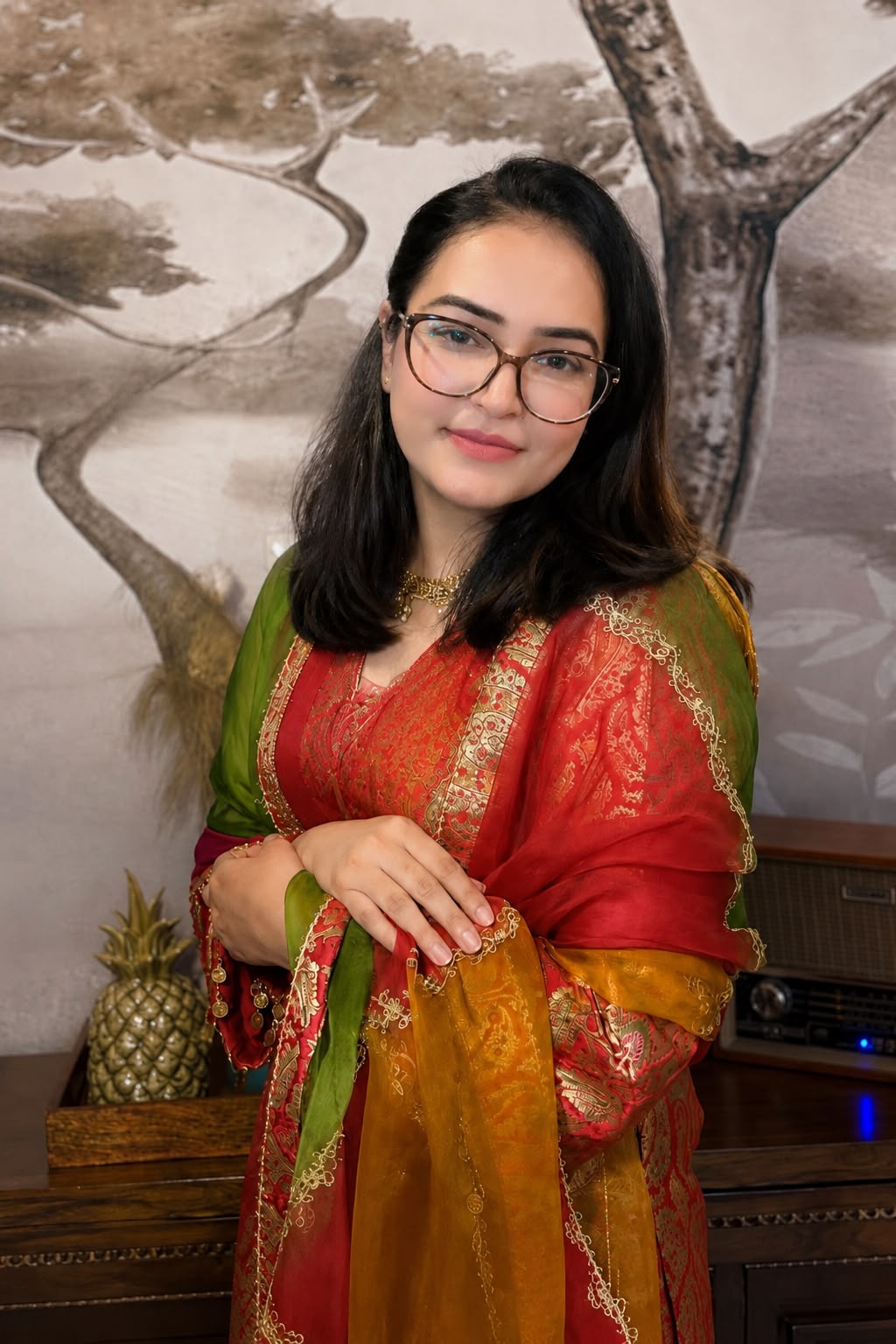
Among the professionals working in this creative space, Maharani Designer Sarvjeet has steadily developed a portfolio that reflects dedication, versatility, and experience across Punjabi and Hindi entertainment. Her work extends from feature films to commercial music videos, demonstrating an ability to adapt to productions that differ in scale, genre, and artistic direction.
As visual storytelling continues to evolve, costume design has become far more than selecting clothing. It has become a collaborative art form that shapes how stories are experienced on screen.
The Growing Significance of Costume Design
Every successful production begins with a vision.
Once a screenplay is finalized, every creative department works together to transform written words into believable visual experiences. Costume design becomes an essential part of that process because clothing immediately communicates who a character is before they speak their first line.
A carefully designed wardrobe can reveal confidence, social background, cultural identity, profession, personality, or emotional transformation. Every costume becomes another storytelling element that supports the script without relying on dialogue.
For this reason, costume designers spend countless hours researching, planning, sourcing materials, coordinating fittings, and maintaining wardrobe continuity throughout filming.
Building Experience Across Multiple Entertainment Formats
One of the strongest indicators of a costume designer's professional growth is the diversity of projects they undertake.
Working across multiple genres requires the ability to understand different creative expectations while delivering costumes that remain practical for production schedules.
Maharani Designer Sarvjeet has gradually built experience through projects that range from Punjabi cinema to Hindi films and contemporary music videos.
Each production introduces new artistic challenges, encouraging continuous learning and creative adaptation.
Rather than repeating a single visual formula, every assignment requires fresh concepts that align with the director's vision and the story's overall tone.
Rocky Mental (2017): Working Within an Action-Driven Narrative
One of the important projects in Maharani Designer Sarvjeet's portfolio is Rocky Mental (2017).
Action-oriented films require costumes that combine realism with functionality. Performers often participate in physically demanding scenes where wardrobe must remain comfortable while maintaining visual consistency across multiple shooting days.
This type of production demands careful preparation from costume departments, ensuring every outfit supports both performance and storytelling.
Experience gained from such projects strengthens a designer's ability to work under fast-paced production conditions.
Pareshaan Parinda (2018): Character Styling with Purpose
Every film introduces unique personalities, and each character requires an appearance that feels authentic to the story.
Through Pareshaan Parinda (2018), costume planning focused on creating wardrobes that complemented the characters without distracting from the narrative.
Professional costume design often succeeds when audiences naturally accept every outfit as part of the character's everyday world.
Achieving this realism requires collaboration between costume designers, directors, actors, and production teams throughout filming.
Teri Meri Jodi (2019): Reflecting Contemporary Punjabi Fashion
Punjabi cinema is celebrated for its energetic storytelling and colorful visual presentation.
Productions like Teri Meri Jodi (2019) highlight the importance of stylish yet believable wardrobe selections. From festive celebrations to casual everyday scenes, every costume contributes to creating an engaging cinematic atmosphere.
Balancing traditional influences with modern fashion trends allows costume designers to create looks that resonate with audiences while remaining true to the story.
Panchhi (2021): Creative Flexibility in Costume Design
No two productions share identical wardrobe requirements.
Scripts differ in emotional tone, locations, cultural influences, and character development, making flexibility one of the most valuable skills in costume design.
Panchhi (2021) represents another project where thoughtful wardrobe planning helped support the visual identity of the production.
Creative adaptability enables costume designers to respond effectively to changing artistic directions throughout the filmmaking process.
Cuttputlli (2022): Experience with Large-Scale Productions
Feature films involving extensive casts and multiple locations require exceptional organization.
Working on Cuttputlli (2022) reflects experience within productions where wardrobe departments coordinate costumes across numerous shooting schedules.
Responsibilities extend beyond styling to include costume tracking, maintenance, fittings, continuity records, emergency alterations, and coordination with various departments.
This behind-the-scenes planning ensures every scene appears seamless on screen despite being filmed over extended periods.
Expanding the Portfolio Through 2024 Projects
Every completed production strengthens a creative portfolio.
With Gandhi 3 (2024) and Auron Mein Kahan Dum Tha (2024), Maharani Designer Sarvjeet continued broadening her professional experience across different storytelling formats.
Working on diverse productions exposes costume designers to varying artistic styles, production workflows, and creative collaborations.
Such experiences contribute to continued growth while strengthening technical and creative expertise.
Music Videos: Where Fashion Meets Performance
The rapid growth of digital entertainment has made music videos one of the most visually competitive forms of content.
Unlike feature films, music videos often depend heavily on bold styling, fashionable wardrobes, and instantly recognizable visual themes.
Maharani Designer Sarvjeet has expanded her portfolio through several music video productions, including:
Balma (2024)
Gabru (2024)
Updated King (2025)
Dama Dum Mast Kalandar (2026)
Duma Dum Mast Kalandar (Title Track) (2026)
Teri Deed (2026)
Napde Killi (2026)
Jatt Di Queen
Every music video introduces a completely different artistic concept.
Some productions emphasize glamour and performance, while others focus on emotional storytelling or contemporary fashion. Costume designers must adapt their creative approach according to each project's unique visual identity.
Behind Every Costume Is Detailed Planning
Successful costume design involves much more than selecting attractive outfits.
The process often includes:
Script interpretation
Wardrobe research
Color palette planning
Costume sourcing
Custom fittings
Continuity management
On-set wardrobe supervision
Collaboration with makeup and hairstyling teams
Costume maintenance during filming
These responsibilities ensure that every scene maintains consistency regardless of shooting schedules or production challenges.
Attention to detail remains one of the defining characteristics of professional costume departments.
Fashion's Influence on Screen Storytelling
Cinema and fashion have influenced one another for decades.
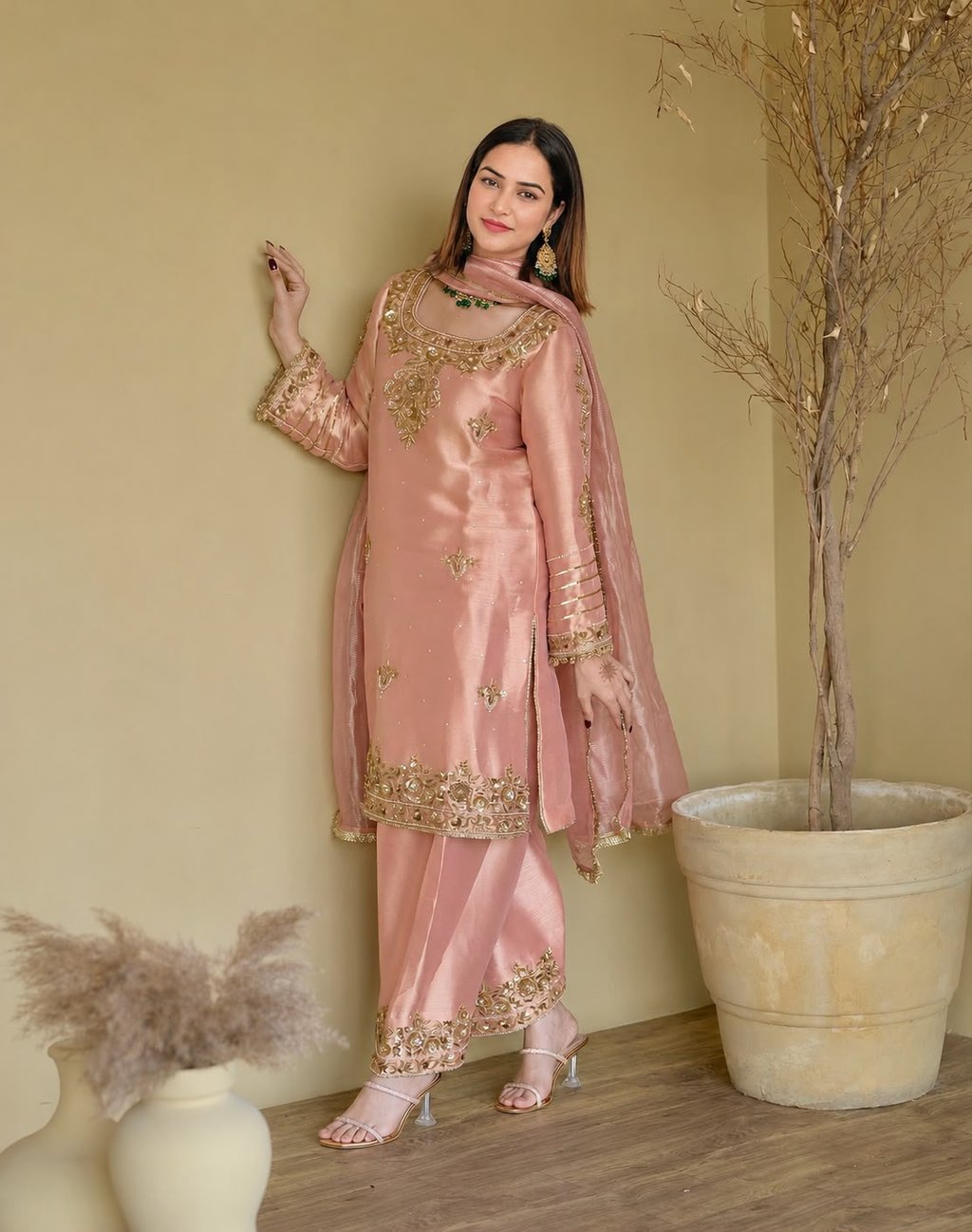
Costumes not only define fictional characters but also inspire audience trends beyond the screen. Many memorable film and music video looks become reference points for designers, stylists, and fashion enthusiasts.
Because of this relationship, costume designers contribute to both storytelling and visual culture.
Their work helps establish memorable screen identities that audiences continue to recognize long after production ends.
Looking Toward the Future
The entertainment industry continues embracing larger productions, streaming platforms, independent cinema, and digitally driven music content.
As audience expectations for visual quality continue rising, costume designers will remain central to every production.
Professionals capable of adapting to different storytelling styles, production environments, and fashion trends are well positioned to contribute across evolving entertainment formats.
With an expanding portfolio spanning films and music videos, Maharani Designer Sarvjeet continues building experience that reflects creativity, professionalism, and versatility.
Conclusion
The professional journey of Maharani Designer Sarvjeet highlights the essential role costume designers play in contemporary entertainment. Through projects including Rocky Mental (2017), Pareshaan Parinda (2018), Teri Meri Jodi (2019), Panchhi (2021), Cuttputlli (2022), Gandhi 3 (2024), and Auron Mein Kahan Dum Tha (2024), along with music videos such as Balma, Gabru, Updated King, Dama Dum Mast Kalandar, Duma Dum Mast Kalandar (Title Track), Teri Deed, Napde Killi, and Jatt Di Queen, her portfolio demonstrates experience across multiple creative formats.
As films and digital entertainment continue evolving, costume design remains an indispensable part of visual storytelling. Through dedication to wardrobe planning, character styling, and creative collaboration, Maharani Designer Sarvjeet continues contributing to productions where fashion and storytelling come together to create memorable screen experiences.